‘Tis strange how oft we look to the heavens,
when it is we who grip the earthly tiller.’ Anon
‘Tis strange how oft we look to the heavens,
when it is we who grip the earthly tiller.’ Anon

I sit up in bed when I see the headlights of a car arc at the end of the driveway, pause for a second over the mailbox, and then stop in front of my house. I reach across the bed to wake Susan before I remember she’s not there. Mine is the last house on a rural cul-de-sac in upstate New York. Sometimes in the summer, late at night, I get kids making out or drinking beer at the end of the road and if they make too much racket I walk up with a flashlight and ask them to move along. But it’s early morning, the week before Christmas, the kind of dry cold air that pinches your nose shut in the time it takes to check the mailbox. No one is drinking a 40-ouncer this morning. The newspaper guy used to drive by at this time of morning and slide a paper into the box, but I cut that off six months ago, when Dylan deployed. Some things you don’t want to know about. The headlights extinguish, and I can see the glint of the car chrome in the early morning moonlight. I slip my feet over the side of the bed, find my LL Bean moccasins, wrestle into a flannel robe, and turn on the light to go downstairs.
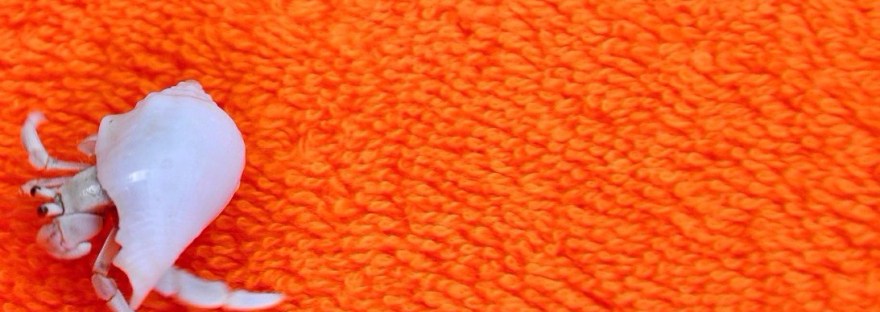
Hundreds of hermit crabs wearing toothpaste caps as shells shuffled through the dirt at the construction site, dirt so full of broken glass that it sparkled even at night, even with no light. Aref knew probably only he saw that seemingly infinite sparkle, just like he knew the hundreds of hermit crabs were really only one because you’d never find that many crabs wearing toothpaste caps for shells.
Continue reading “Aref and the Hermit Crab by Phoebe Reeves-Murray”

I’d lost a brother and remember the headlines, newsreels, songs of bond-selling, gas-griping, and movies too true to hate, the settings of World War II. Those days found the whole Earth bent inwards, imploding bombs, bullets, blood, shrieking terrible bird cries in my ears only deepest sleep could lose if it ventured close.
Continue reading “From One War to Another without Choice by Tom Sheehan”
When the German artillery finally ceased firing around sunset, Jack’s neck and shoulders slowly relaxed; he hadn’t realized he’d been tensing them all that time. The relentless shelling had forced his company to hunker in the trenches for over forty-eight hours. Now the silence unnerved him. The shelling could resume at any time, but the officers sent word that the men should rest as best they could.

The moon’s on its way to November, sailing a sullen sky. I think the whole world breathed a sigh of relief tonight, when the major told us to find shelter, get some shut eye before tomorrow. We’re too close to the enemy for camp fire, all of us hiding behind trees, and under bushes, keeping as quiet as smoke, settling into the dirt and leaves like animals on the prowl.

“You’re a big gasbag, Jersey,” the tallest one of the lot said with loud emphasis and staring at the smallest of his pals with that old in-charge look, “nothing but a big gasbag, I swear. You’re always bragging about your brothers and what they did in the service and you weren’t even in the Boy Scouts, for cryin’ out loud. How’s it make you such a storyteller all the time? And you never let go! Like you’re itching to tell us a story we already heard a half dozen times and then some.”


“You expect me to speak to the Archbishop? Your ideas are somewhat radical Father. For you to get on in your career you need to know how to play the game.”
“Radical? I don’t see it that way Your Grace. I think we could do a lot of good. We would build bridges. We could now bring together two sides once and for all. We need to do this, not just with our religions but with them all! But we can start with what we know.”
Continue reading “The Perfect Personification Of Religion by Hugh Cron”

We move forward, dragging our punished, callous-covered feet in the vague direction of a hypothetical salvation. It is freezing cold, and this spiteful European wind spits rain into our faces. The storm strengthens, and the droplets turn to hail stones, which sting our cheeks like the words of the people who line the roads to curse us as our pathetic procession shuffles through their towns. “Stay Out!” and “We Don’t Want Your Problems!” scream the placards. “Stay Away Terrorists!” reads another forceful imperative. I look at the scholarly looking woman in wire-framed spectacles holding the sign, and wonder if I should stop and offer her advice in how to recognise real jihadists, since she’s clearly a novice.

The boy slipped from a hole in the remnants of a stone wall that marked one section of his grandfather’s farm, crawled behind a small tree, and stared down into the valley. At least a week before, shells from distant cannon and mortar had severed the wall in dozens of places, and a crater sat where the chicken house used to be. The pig pen, from the dead of winter, was a new abomination, with the small fence heaved asunder and unknown body parts strewn every which way.

